|
|
 |
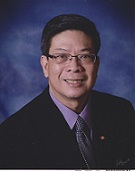
In Mozambique, one of the poorest countries, is especially affected after catastrophic weather events. UMCOR was there and provided grants due to designated giving of United Methodists around the world. Our local mission team also partnered with UMCOR with projects on site. Thank you for your generous giving. The scripture passage highlighted for 2018 is Galatians 6:2 "Carry each other's burdens, and in this way you will fulfill the law of Christ." March 25 is Palm Sunday. This is the beginning of Holy Week and we will be waving Palm Branches to recall the triumphal entry of Jesus into Jerusalem. March 29 is Maundy Thursday. We will observe the Sacrament of the Lord's Supper. Worship begins at 7:30 p.m. A Sacrament is regarded as an "outward and visible sign of inward and spiritual grace." Receiving the Bread and Wine is a way of living and giving thanks to God for His provision through Jesus Christ. Of course, in The United Methodist Church, we use non-alcoholic grape juice out of respect for all God's children for a variety of reasons. March 30 is Good Friday. The Chancel Choir will lead us in this worship service at 7:30 p.m. Come and be blessed by music and scripture recalling the meaning of the cross for our lives. April 1 is Easter Sunday. No Kidding. It's Easter. We begin at 6:30 a.m., for Sunrise Service and Easter Breakfast. We revived this tradition again and it's a good day to start our joyful day. We will have regular Easter services at 9:00 and 10:30 a.m. Easter Egg Hunt is between services, we invite the children for the Easter Egg Hunt. Follow directions to where the children are all set and ready to go. A blessed Lenten season to all of you. Rev. Romir R. Esguerra
Our Food Pantry The Schaumburg Food Pantry and Our Redeemer's Food Pantry are running low on needed supplies. Please remember those in need when you shop, and buy something extra for the pantry. We deliver contributions to the Schaumburg Food Pantry and keep some on hand for our own pantry. Bring contributions and place them in the Pantry Wagon in the North Hall. Please also donate to the Pastor's discretionary fund.
| |
|
|
|